

Eat Real, Feel Real
- Valentina Veiluva
- Apr 28
- 3 min read
How to take back control of what you're actually eating — starting with what's on the label.

We've all heard it before: eat more vegetables, less junk, more whole foods. But in a world where convenience rules and grocery store shelves are packed with thousands of options, it's easier said than done.
A balanced diet isn't about perfection or restriction. It's about giving your body what it genuinely needs a variety of vegetables, fruits, whole grains, quality proteins, and healthy fats. When you eat this way consistently, the benefits are real: better energy, stronger immunity, improved digestion, and a reduced risk of chronic disease.
The single biggest thing you can do to move toward a balanced diet? Minimize packaged and processed foods. Not because they're always evil, but because they're designed for shelf life and flavour not your health. And that means ingredients you'd never expect end up in places you'd never imagine.
"I picked up a container of plain yogurt and flipped it over out of curiosity. Back home in Europe, yogurt had two ingredients: milk and live cultures. Here, the list had things I didn't even recognize."
When I first moved from Europe to Canada, I walked into the grocery store thinking I knew what I was buying. Then one day, that yogurt label stopped me cold. I never thought I'd need to read the ingredients on something so simple so basic. But there they were: thickeners, stabilizers, gums. It changed the way I shop forever.
And it's not just the obviously processed foods you need to watch. It's the everyday staples that most people never think to question.
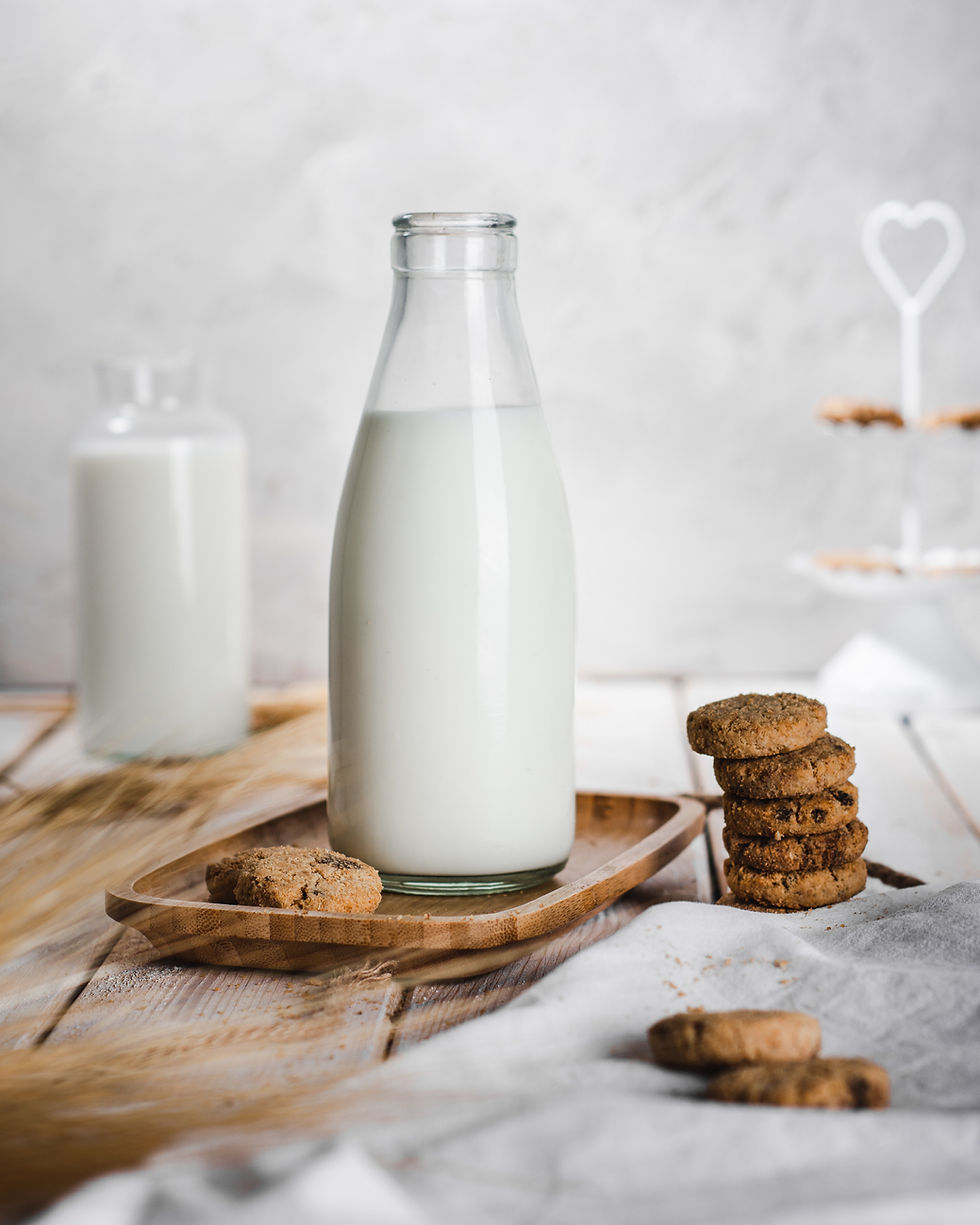
The everyday foods worth a second look
Yogurt & cheese - Should contain milk (or cream) and cultures nothing more. Many brands add carrageenan, modified corn starch, gelatin, or various gums to improve texture and extend shelf life.
Whipped cream - Real whipped cream is just cream and maybe a touch of vanilla. Many store-bought versions contain carrageenan, mono and diglycerides, and other stabilizers.
Plant-based milks & yogurts - Oat, almond, soy — popular for good reason. But many brands add gellan gum, locust bean gum, sunflower lecithin, and carrageenan. A clean plant milk should have very few ingredients.
Bread- Flour, water, yeast, and salt. That's all bread needs. Yet most commercial loaves contain dough conditioners, emulsifiers, preservatives, and added sugars. If you can't recognize every ingredient, put it back.
Reading labels is a superpower

It can feel overwhelming at first but learning to read ingredient labels is one of the most empowering things you can do for your health. As a personal chef and nutritionist working with clients across Vancouver and Nanaimo, here are the simple rules I follow when I'm shopping for meal prep:
Ingredients are listed by weight — the first ingredient is what there's the most of.
If you can't pronounce it or don't know what it is, look it up — or just put it back.
Shorter ingredient lists you actually recognize are almost always better.
"Natural flavors" is vague. It can mean almost anything.
Don't be fooled by green-washing packaging. "Organic," "natural," or "clean" on the front means nothing if the ingredient list tells a different story. Always flip it over.
Brands I trust for my clients
Avalon - Cream, milk & plain yogurt
3 Stelle - Cream cheese
Elmhurst Milked - Plant-based milks
Yoggu - Plant-based yogurt
Olivier's Breads - Sliced bread
You can also download the Yuka app to scan products and find cleaner substitutes while you're shopping.


Comments